

The Role of Armed Officers in High-Security Scenarios

In today's world, the need for security is paramount, especially in high-security scenarios. Armed officers play a crucial role in safeguarding lives and property. Their presence can deter potential threats, ensure quick responses, and provide a sense of safety to those within the area. In this blog post, we will explore the various roles and responsibilities of armed officers, examine their significance in high-security environments, and discuss best practices for their deployment.
Understanding Armed Officers
Armed officers are professionals trained to carry firearms and manage security risks. They work in various settings, including schools, hospitals, banks, and government buildings. Their primary goal is to protect people and property from threats, including theft, violence, and terrorist activities.
When deployed in high-security situations, these officers often collaborate with law enforcement agencies, private security entities, and emergency services. Their training typically includes conflict resolution, emergency response, and weapons handling. This preparation enables them to respond efficiently amid emergencies, where every second counts.

The Importance of Armed Officers in High-Security Scenarios
The presence of armed officers can significantly reduce crime rates in high-security scenarios. According to a study published in the Journal of Security Studies, locations with armed security see up to a 30 percent decrease in violent incidents. This statistic alone highlights the impact that armed officers can make.
Moreover, armed officers serve as a visible deterrent. Their mere presence can discourage potential criminals from attempting illegal activities. For instance, businesses that employ armed security often report fewer incidents of theft or vandalism.
Additionally, armed officers play an essential role in crisis management. During incidents such as active shooter situations or terrorist threats, these officers are trained to take immediate action, helping to protect civilians and manage dangerous situations swiftly. Their ability to assess threats and respond decisively can save lives.
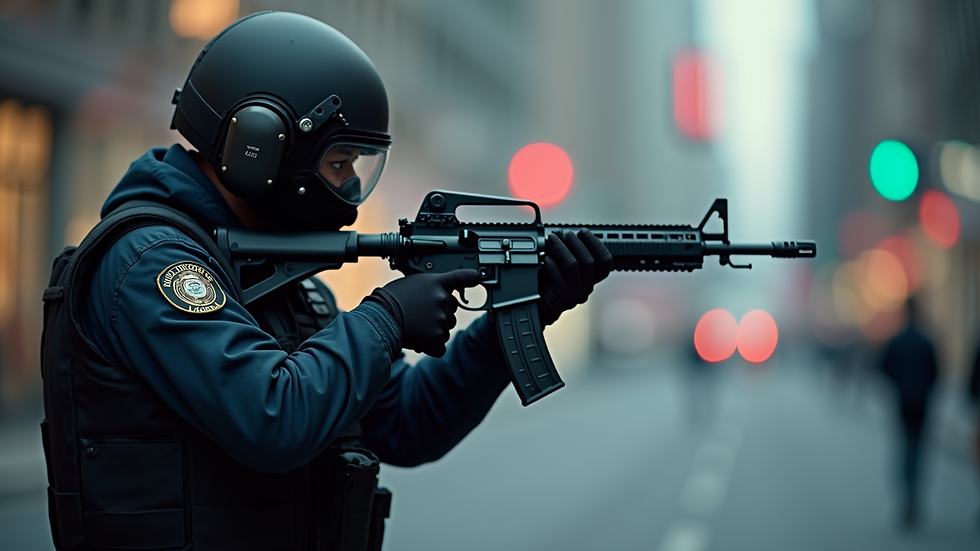
What is the role of an armed security officer?
The role of an armed security officer encompasses various responsibilities, all aimed at maintaining safety and security. These duties include:
Patrolling: Armed officers regularly patrol designated areas to monitor for suspicious behavior or activities. This visibility helps to create a secure environment.
Access Control: They often manage entry points, ensuring that only authorized individuals can access sensitive areas. This is particularly important in facilities that handle confidential information or valuable assets.
Incident Response: In the event of an emergency, armed officers are trained to react quickly. They may have to make critical decisions on the spot, including using their firearms if necessary to neutralize threats.
Emergency Preparedness: These professionals participate in drills and training exercises to prepare for various emergency scenarios. They collaborate with local law enforcement and respond to crises effectively.
Reporting: Armed officers document incidents and suspicious activities, providing crucial information that may be used for investigations or future prevention strategies.
Their multifaceted role is vital in protecting both individuals and organizations, particularly in high-risk environments.
Best Practices for Deploying Armed Officers
To maximize the effectiveness of armed officers, organizations must establish clear policies and procedures. Here are several best practices:
Comprehensive Training: Continuous training is essential for armed officers to remain proficient in their skills. This includes regular updates on firearm safety, conflict resolution, and emergency protocols.
Clear Communication: Armed officers should have established communication channels with local law enforcement and other emergency services. This ensures coordination during incidents and promotes a unified response.
Assessment and Planning: Regular risk assessments help determine where armed officers are most needed. Organizations should consider factors such as location, type of threats, and crowd dynamics.
Community Engagement: Educating the community about the role of armed officers fosters trust and cooperation. Community meetings can address concerns and improve the relationship between security personnel and residents.
Mental Health Resources: The nature of their work can be stressful. Providing mental health support for armed officers helps them cope with job-related stress and enhances their overall effectiveness.
Implementing these best practices creates a safer environment while also supporting the mental and emotional well-being of armed officers.

Challenges Faced by Armed Officers in High-Security Scenarios
Despite their critical role, armed officers face numerous challenges. One significant concern is public perception. The presence of firearms can evoke fear among civilians. Therefore, communication is essential in educating the public about the role and intentions of armed security.
Moreover, armed officers often work in dynamic environments where threats can change rapidly. This unpredictability requires them to remain vigilant at all times. Situational awareness is crucial, ensuring they can assess risks effectively.
Another challenge is the potential for escalation during incidents. Armed officers must manage their response to avoid exacerbating a volatile situation. Calibrating their level of force requires significant judgement, and mistakes can have grave consequences.
Finally, the legal and ethical implications of using firearms add another layer of complexity. Officers must operate within the law and adhere to strict guidelines that govern their conduct and use of force. Therefore, continuous training and legal education are vital.
The Future of Armed Security Officers in High-Security Scenarios
As security needs evolve, so too will the roles of armed officers. Advances in technology, such as surveillance systems and artificial intelligence, will shape how armed officers operate. Integration of these tools can enhance situational awareness, allowing armed officers to be more proactive in their approach.
Moreover, the growing demand for safety in schools, businesses, and public spaces will likely lead to increased opportunities for armed officers. Organizations will continue to seek qualified professionals who can provide a secure environment in an ever-changing threat landscape.
Ultimately, the role of armed officers will remain vital in high-security scenarios. Their expertise and training will be essential in preventing and responding to threats effectively.
As we consider the importance of safety and security, it becomes evident that trained professionals are needed to navigate the complexities of today’s world. By investing in the right training, policies, and community relationships, we can enhance safety and ensure a secure future.
For more information about the services provided by armed security officers, it is crucial to explore training programs, best practices, and standardized procedures. This investment not only protects assets but also secures peace of mind for individuals and communities alike.


Comments